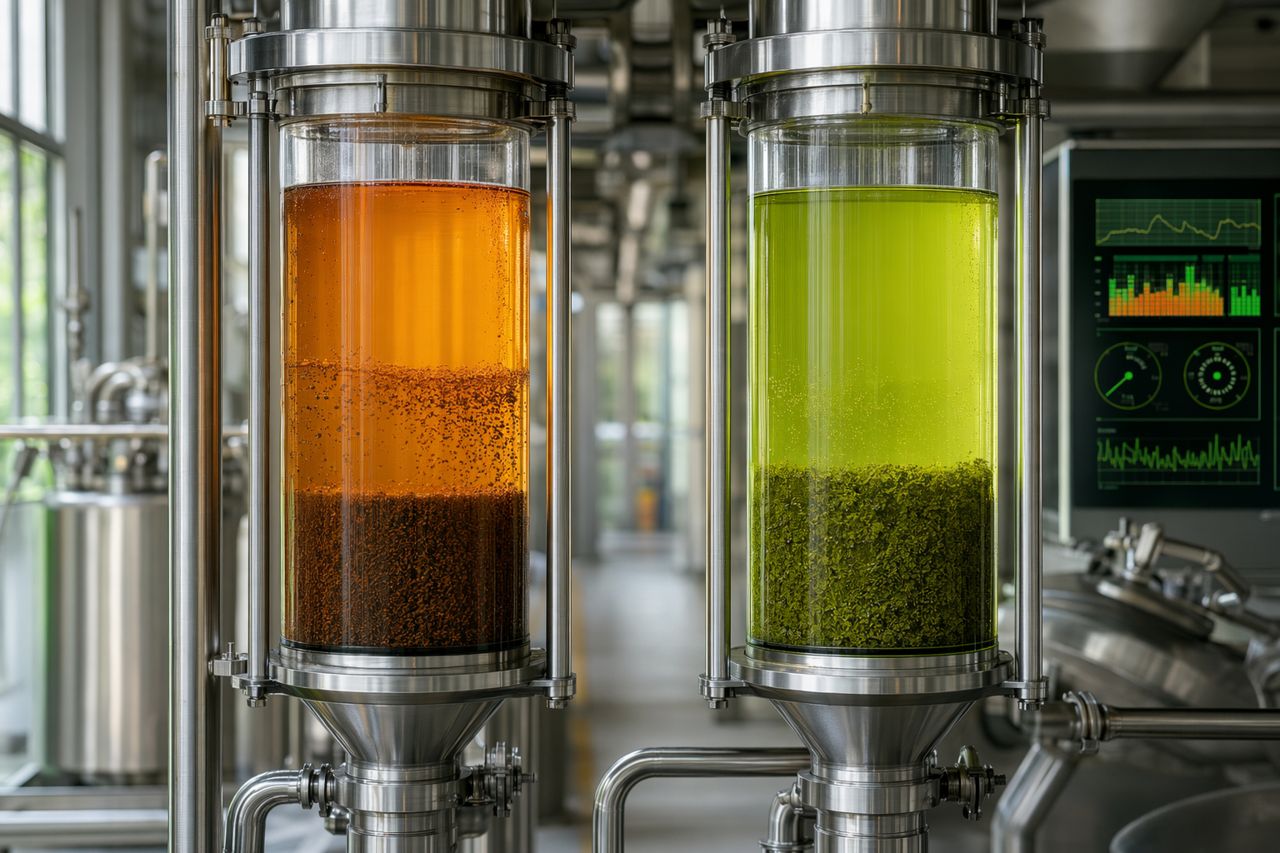
Black Tea vs Green Tea Extraction: Process Differences That Matter for Soluble Tea Powder
Black tea and green tea may run through similar extraction assets, but they do not behave the same in an instant tea plant. Leaf chemistry, oxidation history, fines behavior, haze formation, and thermal sensitivity all change how extraction managers should think about residence time, solids recovery, clarification, evaporation load, and finished powder performance.
For producers of soluble tea powder, the question is not simply which tea extracts faster. The practical question is: which process window gives repeatable yield, clean liquor, controlled color, stable flavor, and cold-water solubility without driving fouling or rework?
Enzymeready supports instant tea extraction teams with enzyme solutions built for these plant-floor realities. As an enzyme supplier for tea extraction processing, we focus on practical outcomes: better release of soluble solids, improved liquor separation, reduced suspended fines, more predictable turbidity, and smoother downstream concentration and drying. We supply these enzymes in bulk to instant tea and tea extract manufacturers and to the ingredient distributors who serve them; pricing, packs and lead time are quoted per order.
Why black tea and green tea extract differently
Black tea is fully oxidized before drying. That oxidation changes the polyphenol profile, darkens color, and alters how soluble compounds are bound within the leaf matrix. In extraction, black tea typically offers strong color and familiar cup character, but it can also carry oxidized polyphenol complexes that influence haze, sediment, and membrane or evaporator behavior.
Green tea is not oxidized in the same way. Heat treatment preserves more catechins, green notes, chlorophyll-related color, and delicate aroma compounds. This makes green tea extraction more sensitive to heat exposure, oxygen, residence time, and pH drift. It can deliver clean, fresh profiles, but it requires tighter process control to avoid harshness, dull color, or instability in cold-water applications.
In short:
- Black tea extraction often prioritizes color strength, yield recovery, liquor clarity, and reduced insoluble load.
- Green tea extraction often prioritizes gentle release, low bitterness pickup, color protection, clarity, and cold-water dispersibility.
- Both processes benefit from repeatable enzyme integration when leaf variability, fines content, and downstream fouling are limiting plant performance.
Process variables that matter most
1. Leaf structure and soluble solids release
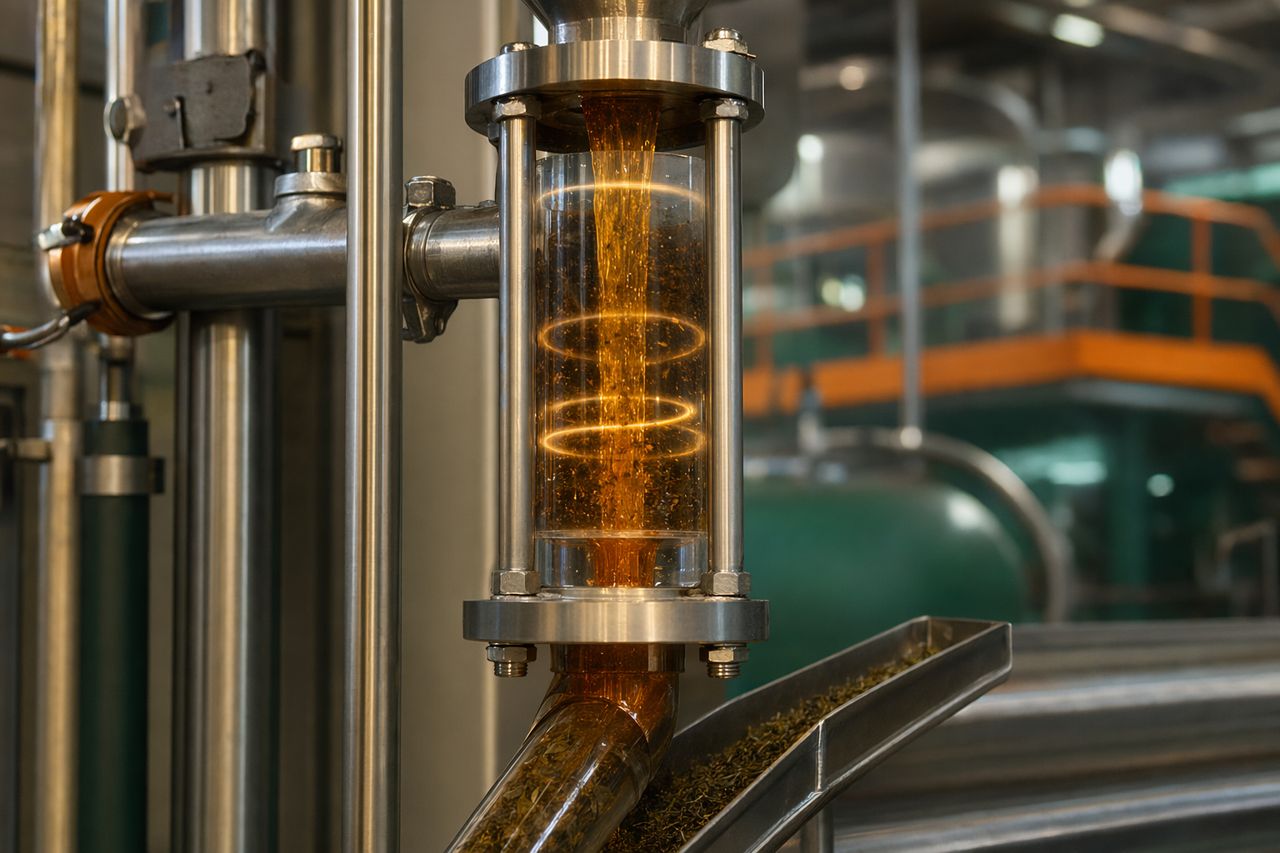
Black tea leaf has already undergone substantial biochemical change during manufacture. This can make some soluble fractions easier to access, while other fractions remain trapped in disrupted but compacted leaf tissue. Enzyme treatment can help open cell wall structures and improve release of extractable solids without forcing the plant to rely only on harsher thermal conditions or extended residence time.
Green tea leaf is often more sensitive. Over-extraction can pull harsh polyphenols and grassy notes into the liquor. Enzymatic support must be controlled to improve release while protecting the intended sensory profile.
Plant-floor implication: black tea often benefits from yield recovery and fines management; green tea benefits from selective, controlled extraction that avoids flavor penalty.
2. Turbidity and suspended fines
Tea fines are not just a filtration issue. They carry extract, bind color, increase load on separators, accelerate fouling, and can show up later as sediment or haze in soluble tea beverages.
Black tea streams may show heavier fine-bound color and oxidized polyphenol complexes. Green tea streams may show lighter but more sensitive haze behavior, especially when pH, minerals, or temperature shifts occur downstream.
Enzymeready enzyme programs are designed to help reduce liquor instability by improving solid-liquid separation and supporting clearer extract before concentration.
Operational value: clearer liquor entering evaporation or membrane concentration can mean fewer interruptions, more stable heat transfer, and less downstream correction.
3. Color and flavor protection
Black tea extraction usually tolerates more thermal intensity than green tea, but excessive heat can still flatten aroma and deepen color beyond specification. Green tea requires more restraint. Freshness, brightness, and clean green character can be lost quickly when extraction is too aggressive.
Enzyme-assisted processing gives plants another lever. Instead of relying only on higher temperature or longer hold time, extraction teams can use enzymatic release to reach soluble solids targets within a narrower, more controlled window.
Result: better control of extraction intensity without turning every batch into a compromise between yield and sensory quality.
4. Cold-water solubility
Cold-water soluble tea powder places extra pressure on extraction and clarification. Insoluble fragments, polyphenol-protein complexes, and poorly separated fines can create visible haze, ring formation, slow dispersion, or sediment in finished beverages.
Black tea powders used in ready-to-drink premixes need strong color and clarity after dilution. Green tea powders must disperse cleanly without dulling the cup or leaving a coarse mouthfeel.
A well-matched enzyme step can support cold-water solubility by reducing insoluble carryover and improving the quality of the extract before drying.
5. Fouling and cleaning frequency
Extraction managers feel the difference between a clean run and a difficult run in the separator, membrane skid, evaporator, and dryer feed system. High fines load, unstable colloids, and sticky deposits can shorten production windows and increase cleaning demand.
Black tea may contribute heavier colored deposits. Green tea may create instability when delicate compounds shift during concentration. In both cases, upstream enzymatic treatment can reduce the burden on downstream equipment by changing what enters the system, not just how it is filtered afterward.
Black tea extraction: where enzyme support helps
For black tea soluble powder, the plant goal is usually robust extract with dependable color, manageable astringency, and low insoluble carryover. Enzyme application can support:
- Improved release of soluble solids from spent leaf
- Better liquor separation from swollen leaf particles and fines
- Reduced turbidity before concentration
- More stable extract feed to evaporation or membrane systems
- Lower rework pressure from sediment, haze, or poor dispersibility
- More repeatable extraction windows when leaf grade or origin changes
The best fit is not a generic enzyme addition. It is a controlled process step matched to tea grade, extraction temperature, residence time, separator design, and finished powder specification.
Green tea extraction: where enzyme support helps
Green tea soluble powder requires a more careful balance. The process must recover value without driving bitterness, dullness, or green color loss. Enzyme support can help by:
- Improving controlled release at gentler process conditions
- Supporting clarity without excessive thermal extraction
- Reducing fine-bound insoluble material
- Helping protect cold-water performance in finished powder
- Narrowing batch-to-batch variability from leaf quality changes
- Reducing the need for aggressive downstream correction
For green tea, enzyme selection and timing are especially important. The process should support extraction efficiency while preserving the intended cup profile.
Side-by-side process considerations
| Process area | Black tea extraction | Green tea extraction |
|---|---|---|
| Main risk | Haze, sediment, heavy fines, over-darkening | Bitterness, dull color, fresh-note loss, instability |
| Typical priority | Strong color, yield recovery, clear liquor | Gentle release, clarity, cold-water solubility |
| Enzyme value | Open leaf structure, improve separation, reduce insoluble load | Improve release under controlled conditions, reduce fines, protect process window |
| Downstream impact | Cleaner feed to concentration and drying | More stable feed with less sensory correction |
| Control focus | Solids recovery, turbidity, fouling behavior | Residence time, heat exposure, clarity, sensory profile |
How to evaluate an enzyme program in an instant tea plant
A practical enzyme trial should be judged against plant metrics, not only lab observations. Before trialing, define the operating problem clearly.
Useful evaluation points include:
- Extract yield from the same leaf input
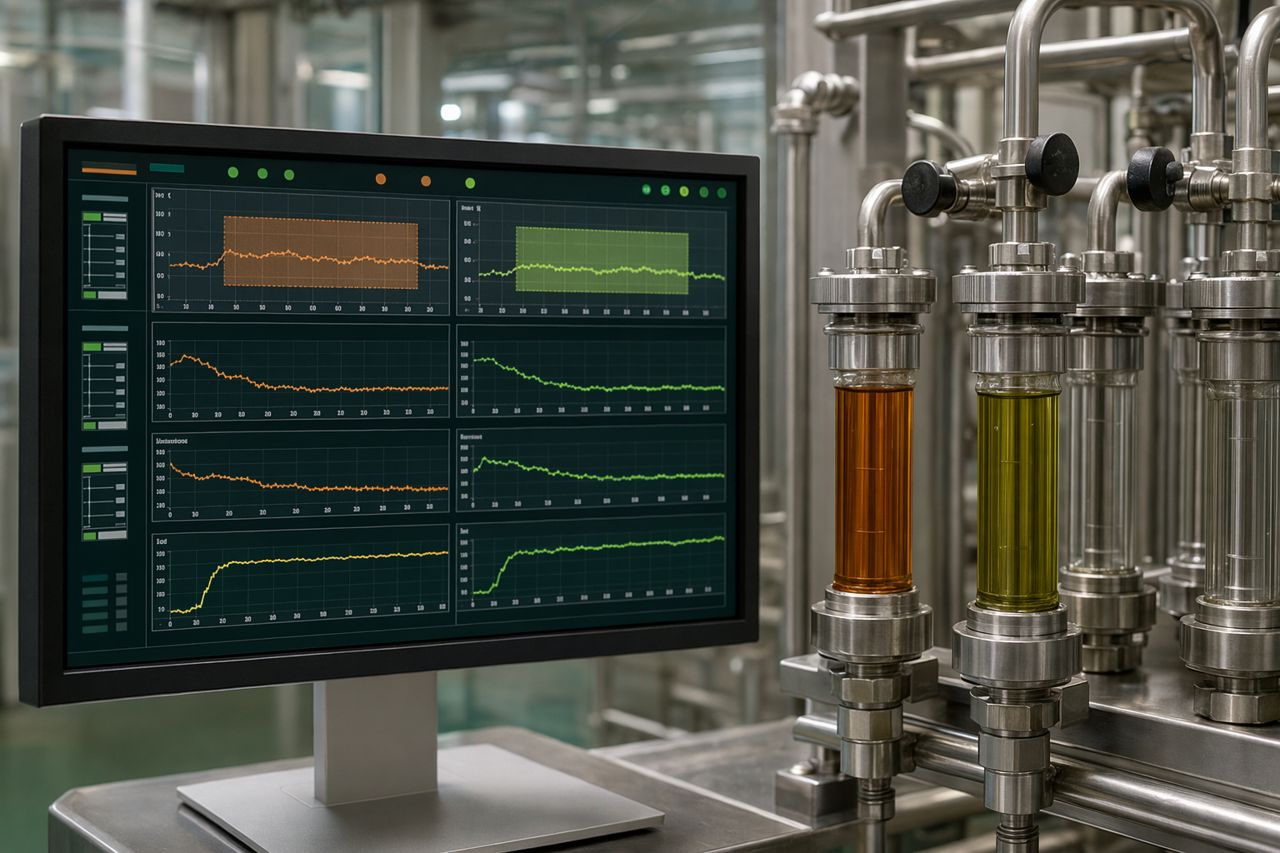
- Liquor clarity and turbidity trend before concentration
- Separation rate and sediment behavior
- Evaporator or membrane fouling pattern
- Finished powder dispersion and cold-water solubility
- Color stability after dilution
- Sensory impact in the target beverage format
- Cleaning frequency and production window consistency
The strongest programs are built around your actual plant constraints: extractor geometry, temperature profile, leaf cut, fines load, separator limits, concentration method, and powder specification.
Where Enzymeready fits
Enzymeready works with instant tea extraction plants that need enzyme solutions aligned with production reality. We help teams identify where enzymatic treatment can create value in black tea, green tea, or mixed tea operations.
Our role is practical: support the extraction window, improve liquor quality, reduce downstream load, and help make finished soluble powder easier to formulate.
If your plant is seeing variable yield, haze, sediment, slow clarification, fouling pressure, or cold-water solubility complaints, the extraction step may be the right place to intervene.
Request a quote
Planning a black tea or green tea extraction trial, or sourcing enzymes for a customer who runs one? Send your tea type, target powder format, current bottleneck, the quantity per order or per month, and the delivery country through the inquiry form. Enzymeready will match an enzyme approach to your extraction conditions and quote bulk supply per order.