Cellulase for black tea and green tea soluble-solids extraction
In instant tea production, soluble-solids recovery is limited by how efficiently extraction water can access the leaf matrix. Cellulase helps open plant-cell wall structures so more extractable material moves into the liquor within a controlled residence time.
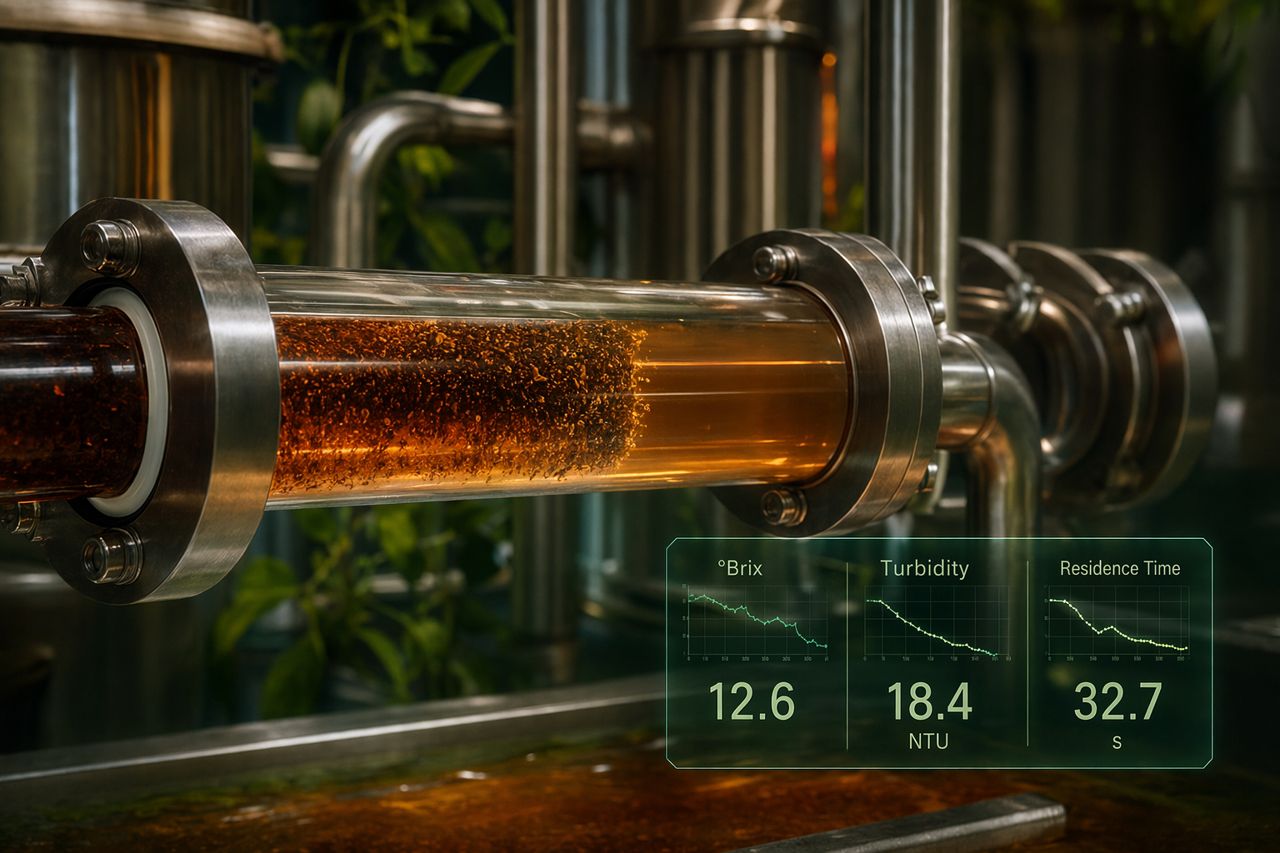
Enzymeready supplies cellulase in bulk to instant tea and tea extract manufacturers, and to the distributors who buy for them, for practical gains without destabilizing the line: better yield recovery, cleaner flow through separators and filters, and a repeatable extraction window that supports target °Brix, turbidity, color, and sensory profile.
To get a quote, send: tea type, extraction format, quantity per order or per month, and delivery country. Pricing, pack size and lead time are quoted per order. Request a wholesale cellulase quote
Built for extraction managers, not lab shelves
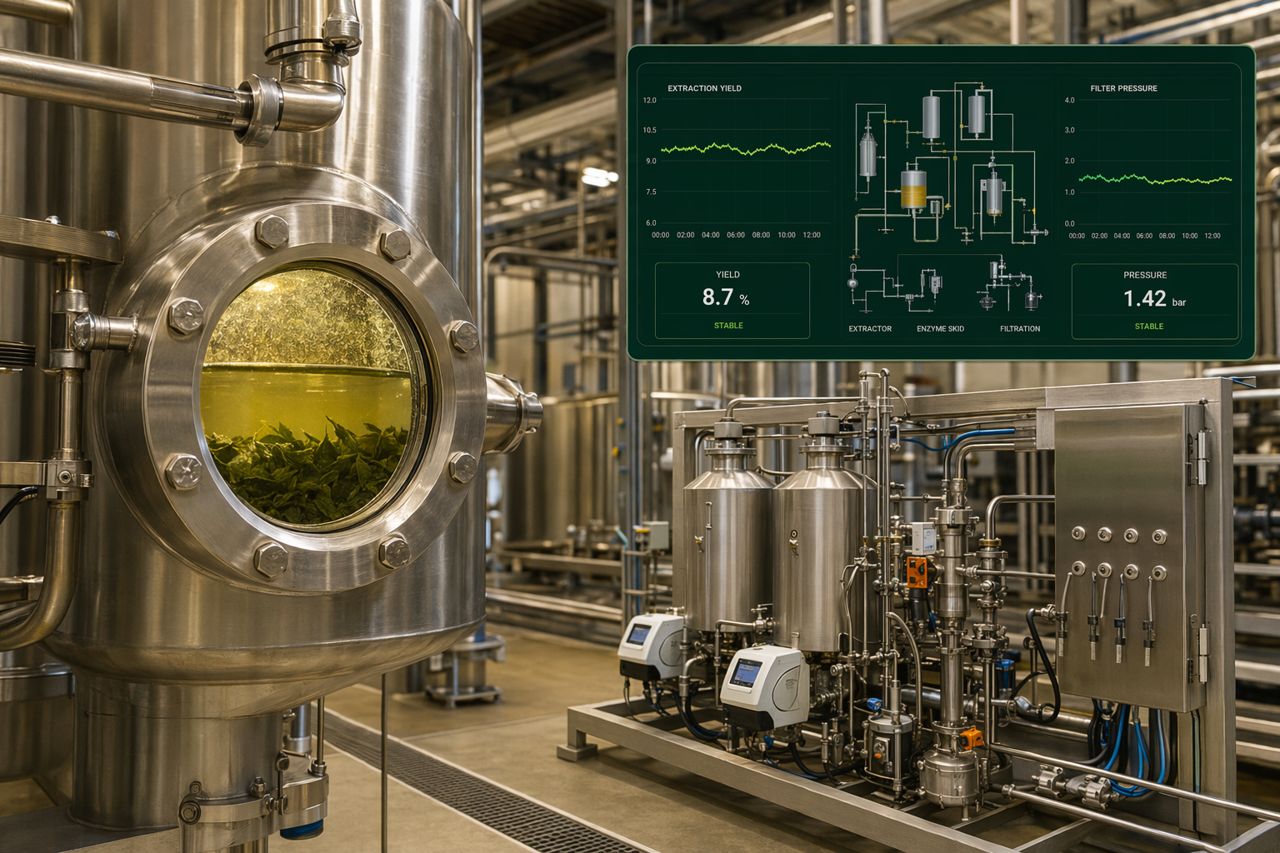
Cellulase is used upstream of clarification, concentration, and drying where small changes in extraction behavior can affect the entire plant. The right enzyme program should improve access to tea solids while protecting downstream filterability and avoiding over-extraction that can push bitterness, haze, or color drift.
Enzymeready works with instant tea plants to position cellulase around the realities of production:
- Black tea and green tea extraction lines
- Batch, semi-continuous, and continuous extraction systems
- Hot extraction and staged temperature profiles
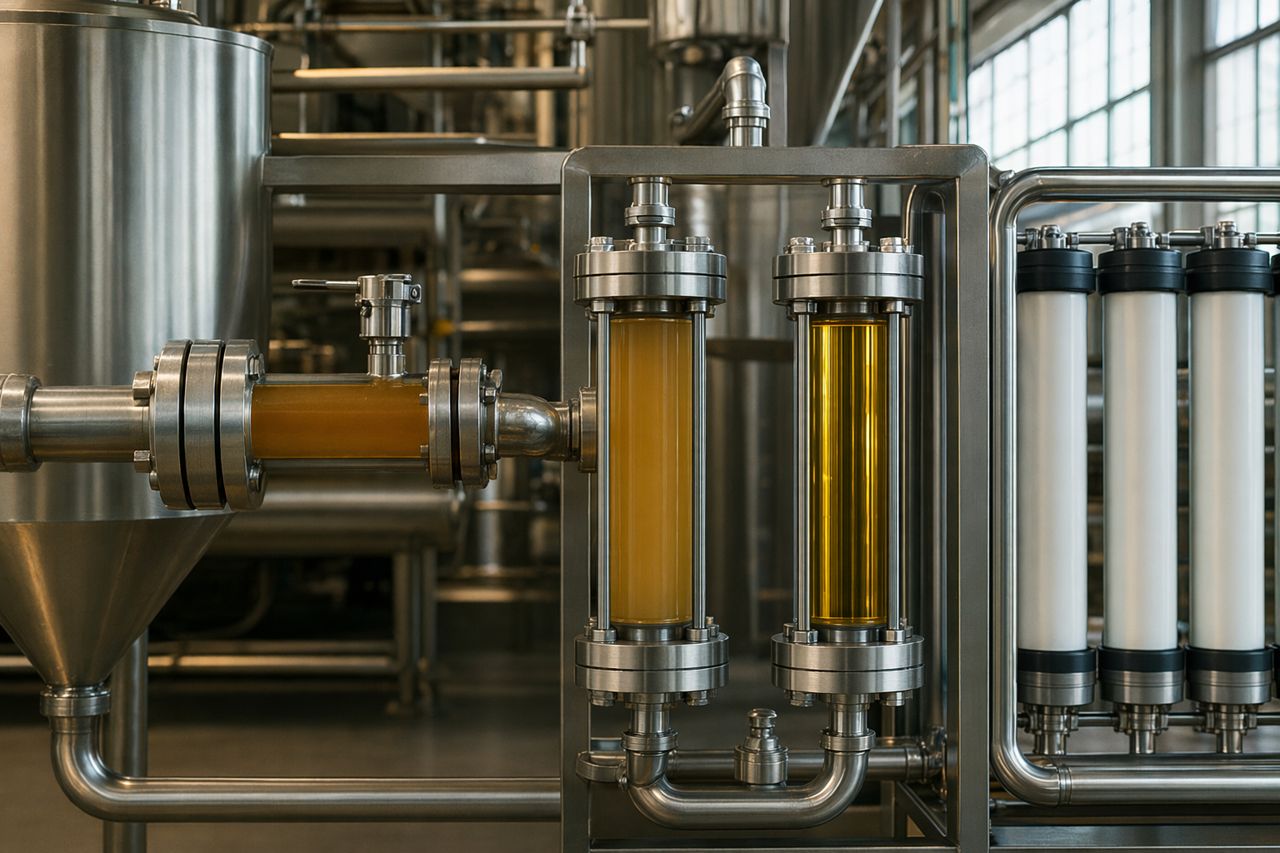
- Liquor streams heading to clarification, membrane steps, evaporation, or spray drying
- Production targets tied to °Brix, turbidity, cold-water solubility, and cup character
What cellulase does in tea extraction
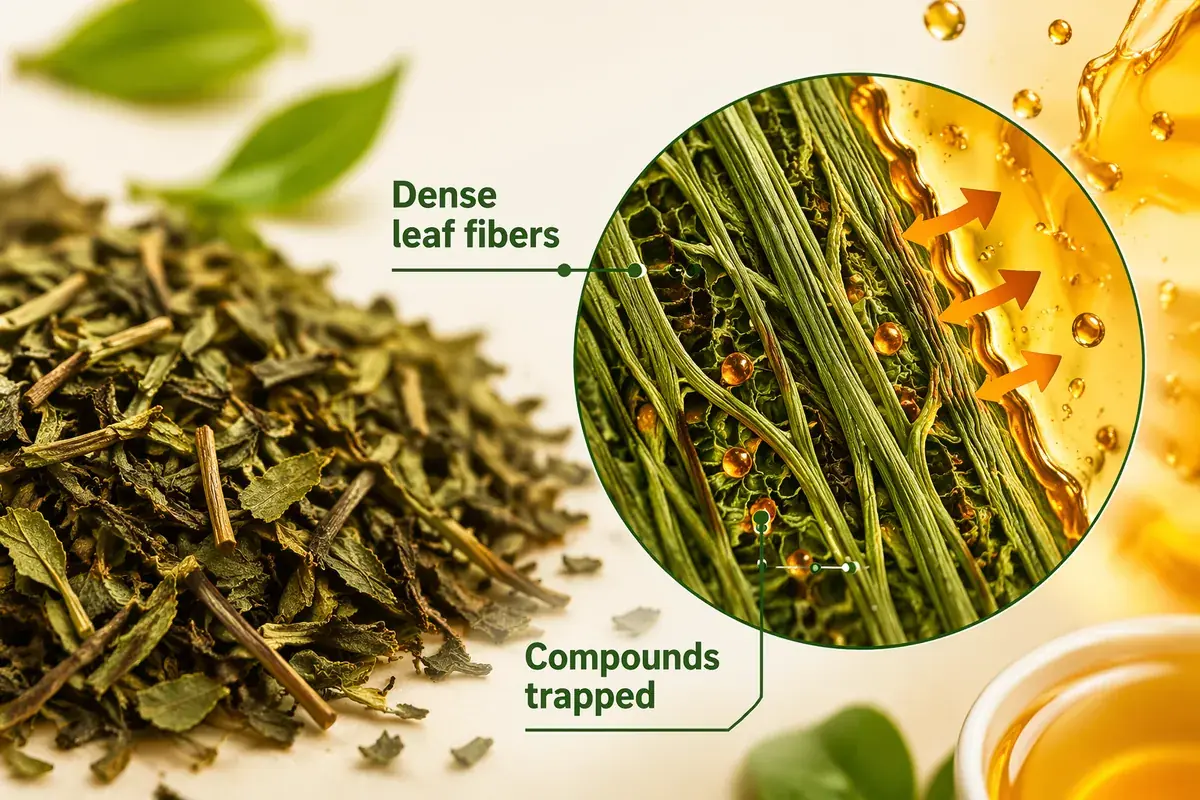
Tea leaf material contains cellulose-rich structural components that can restrict diffusion. Cellulase helps loosen those barriers, improving water access to entrapped soluble solids.
For the plant, the value is not simply “more extraction.” The value is controlled release.
A well-matched cellulase program can help plants:
- Increase soluble-solids recovery from existing leaf input
- Improve extraction consistency across seasonal raw-material variation
- Reduce pressure on extraction time when throughput is constrained
- Support clearer liquor by improving separation behavior
- Improve filter run length by reducing compact, difficult-to-drain fines behavior
- Strengthen cold-water solubility performance in the finished instant tea powder
Where it fits in the instant tea process
1. Leaf wetting and extraction access
Cellulase can support better liquor penetration into tea particles during the early extraction phase. This helps reduce under-extracted material leaving the extractor and can improve recovery without simply extending residence time.
2. Soluble-solids release
As cell-wall structure loosens, extractable material can move into the liquor more efficiently. The goal is to lift useful solids while maintaining the cup profile, color target, and clarity specification.
3. Separation and clarification
Better-controlled extraction can reduce difficult sludge behavior and improve liquid-solid separation. For many plants, the operational win is not only yield, but a liquor that behaves more predictably through screens, decanters, centrifuges, filters, and polishing steps.
4. Concentration and drying stability
A cleaner, more consistent feed to evaporation and drying supports stable operation. When upstream extraction is controlled, plants can reduce variability that shows up later as fouling, haze, insoluble sediment, or rework.
Practical production outcomes
Enzymeready cellulase programs are selected for measurable plant-floor outcomes:
- Higher extractable-solids recovery from the same tea input
- More repeatable °Brix at the extractor discharge
- Lower turbidity variation before clarification
- Improved flow behavior through solid-liquid separation
- Reduced fouling pressure in downstream equipment
- Better cold-water solubility in finished instant tea
- Less dependence on aggressive extraction conditions
- More consistent batch-to-batch sensory alignment
Black tea and green tea applications
Black tea extraction
Black tea lines often focus on maximizing soluble solids while protecting color, briskness, and clarity. Cellulase can help recover solids from the leaf structure while supporting a cleaner liquor profile for concentration and drying.
Green tea extraction
Green tea extraction can be more sensitive to color shift, bitterness, and haze. Enzymeready supports controlled cellulase use that improves access to soluble material while respecting the narrower processing window often required for green tea powders and premixes.
Why plants choose Enzymeready
Enzymeready is built for enzyme supply in industrial tea extraction, with guidance focused on production reality rather than generic enzyme positioning.
You get:
- Enzyme selection aligned to your tea type, extractor layout, and downstream clarification train
- Practical support for trial planning and production validation
- Process-focused recommendations around contact time, temperature window, pH range, and dosing strategy
- Documentation support for procurement and quality teams
- Scalable supply for pilot, validation, and routine production
How we approach trials
A good cellulase trial should answer operational questions, not just show a lab improvement.
Typical validation points include:
- Soluble-solids gain at the same tea input
- Extractor discharge °Brix stability
- Liquor turbidity before and after clarification
- Filterability and separation performance
- Cold-water solubility of finished powder
- Sensory impact versus your control process
- Fouling behavior across a normal production run
The objective is to find the point where yield recovery, clarity, flow, and sensory quality meet your commercial target.
Request a quote
If you are buying cellulase for an instant tea extraction plant, or sourcing it for resale to tea extract producers, Enzymeready can quote bulk supply for trial and production use.
Use the inquiry form and send your tea type, extraction format, current bottleneck, the quantity per order or per month, and the delivery country. Pricing, pack size and lead time are quoted per order.